2024–2027
Project Duration
ERDF
EU Funding
4
Research Focus Areas
13
Publications
39
Citations
Resilient Human-Robot Collaboration in Mixed-Skill Environments
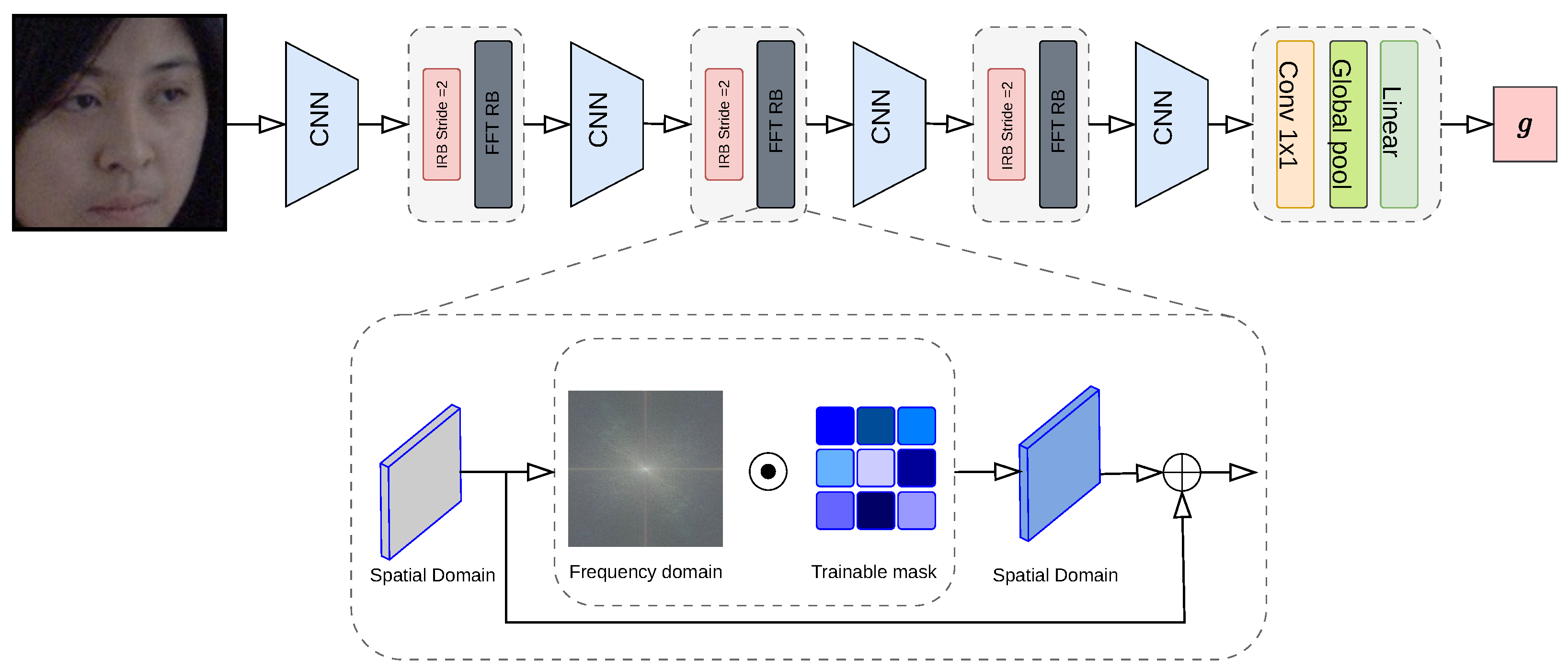
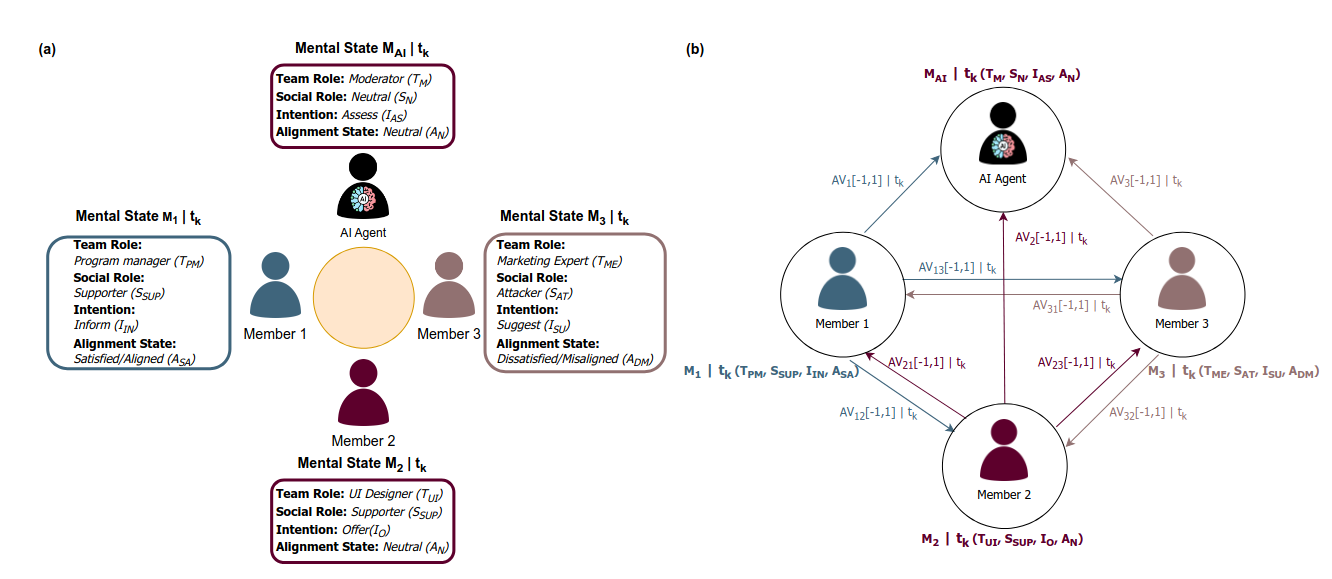
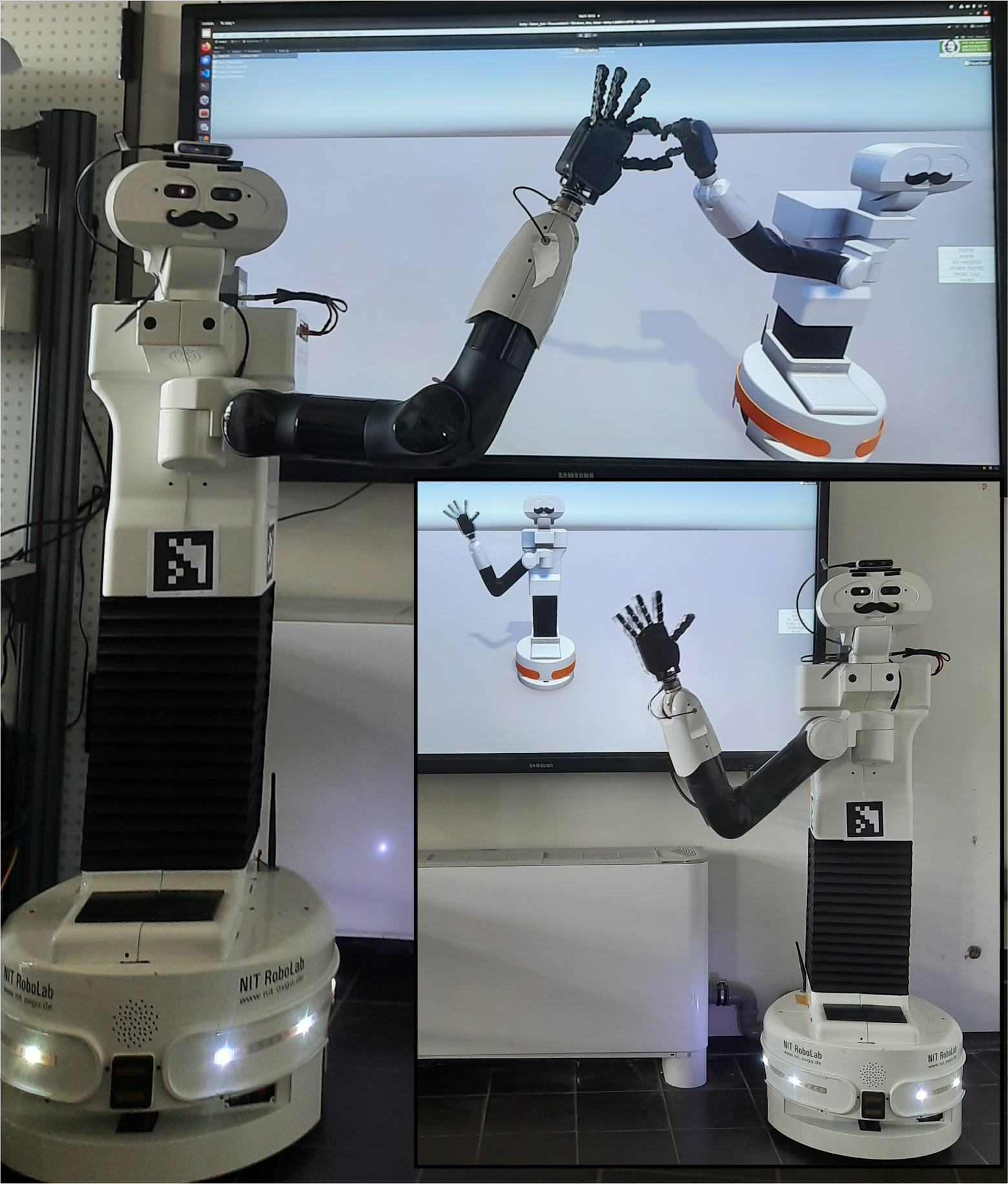
ENABLING (Resilient Human-Robot Collaboration in Mixed-Skill Environments) addresses the problem area of developing AI methods to complement the skills of robots and humans. It thus enables research innovations in cross-sectional areas of IT and key enabling technologies and forms the basis for future applications in the lead markets. The challenges lie, firstly, at the interface between robotics and AI and, secondly, in the complexity of tasks in a mixed-skill environment and, thirdly, in resilient and responsible collaboration. These are to be achieved by developing the key technologies for 1. robust recording of the affective user state, 2. semantic environment analysis, 3. intention-based interpretation of user actions, 4. and research into generative models for recording complex behavior in mixed-skill environments.
The project is funded by the European Regional Development Fund (ERDF) under grant No. ZS/2023/12/182056 and is planned with a project duration of 4 years (2024 to 2027).
Robust AI perception of users in mixed-skill scenarios with occlusion, dynamic environments, and divided attention.
Distinguishing task-directed actions, social interactions, and incidental movements from user signals and affective states.
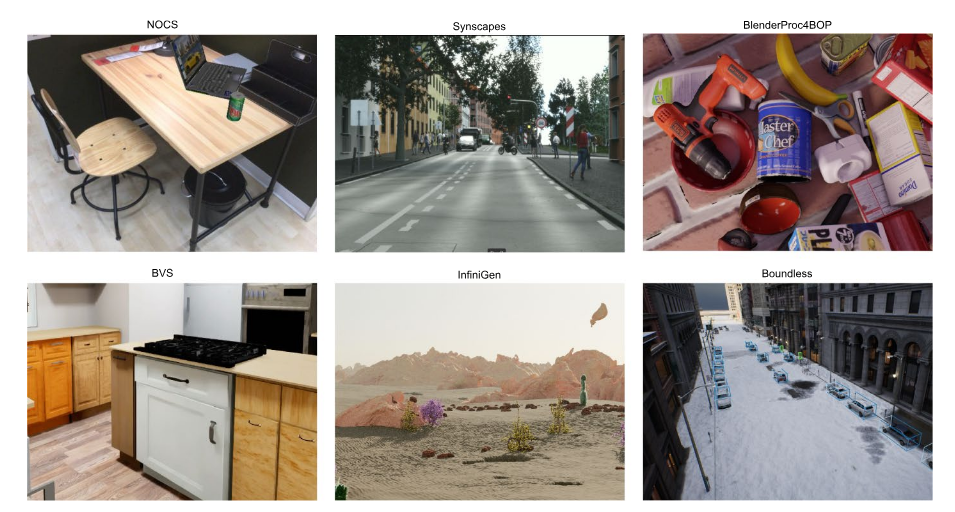
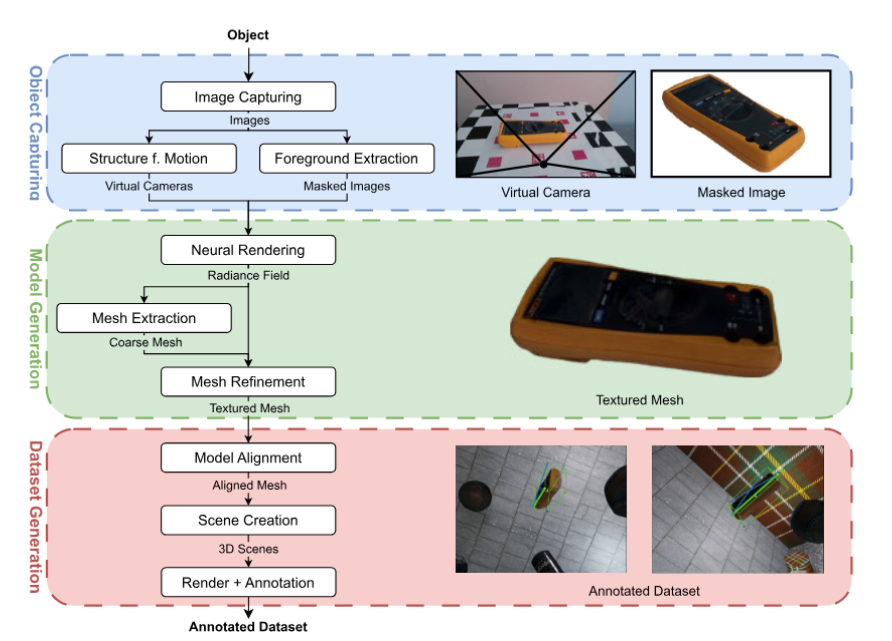
Recognising user actions in spatial context — enabling intentional, anticipatory systems aware of environment and intent.
Real-time detection of user affect via gestures, facial expressions, and vital signs for non-verbal feedback and alignment.
Generative AI models unifying multi-modal prediction to build comprehensive situation models of complex user behaviour.